
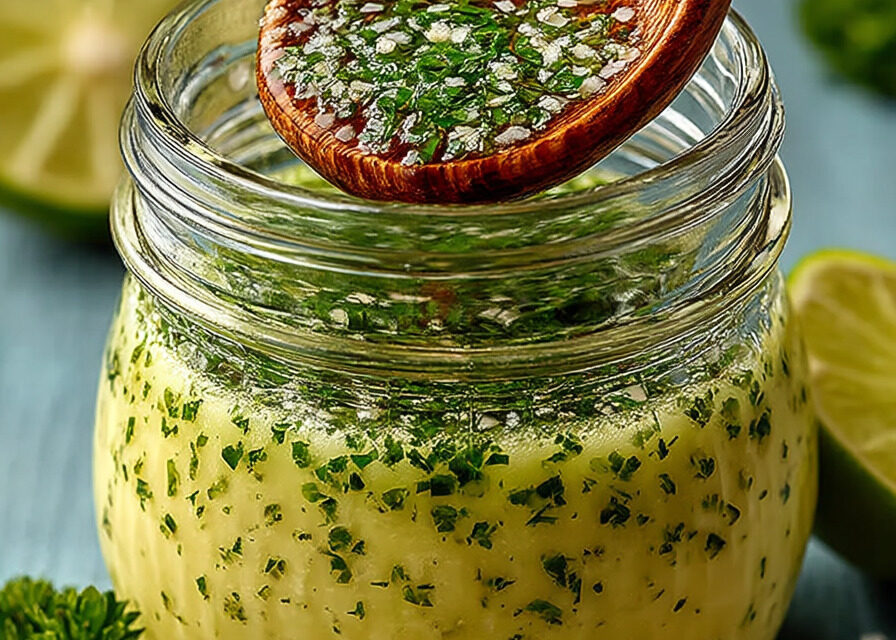
Fresh Flavor, Balanced Right: The Secret to This Dressing
Each part of this dressing does real work, and getting them in balance makes all the difference. Lime juice brings sharpness, olive oil rounds it. Greek yogurt adds a cool tang and thickness that clings beautifully to lettuce or roasted corn. Cilantro gives fragrance and green brightness, but it only tastes fresh when blended just enough. Overdo it, and the herbs bruise — color dulls, flavor gets muddy. The trick is using short, controlled pulses in the blender to keep it vivid. It’s quick science in action: minimal friction, cooler temperature, better tasting and looking sauce. I’ve tested this on everything from romaine to shrimp skewers, and the result always pulls the meal together like a squeeze of sunshine.
Think of this dressing as the flavor bridge between creamy and bright. The yogurt softens the acidity so your tongue doesn’t tire, while the olive oil gives your greens that glossy finish. When these elements come together properly, you can even spoon it over grain bowls or tacos without it slipping right off — it clings with the perfect balance of richness and lift. This is what takes it beyond a simple vinaigrette and into the category of a sauce you actually want to pour over everything.
Why You’ll Love This Cilantro Lime Dressing
- Bright, herby flavor that makes simple salads exciting and crisp.
- Ultra-smooth texture achieved without heavy mayo — it coats without weighing down.
- Goes from blender to table in under ten minutes, so it’s weeknight-friendly.
- Doubles beautifully as a marinade for grilled chicken or shrimp, holding up to heat.
- Keeps all week — the flavor deepens slightly, making leftovers a happy thing.
- Versatile enough to use as a spread for sandwiches or tacos when thickened slightly.
- Made from whole food ingredients that are easy to find and simple to adjust seasonally.
- Gluten-free and easy to make low-carb with minor swaps.

What You’ll Need for Cilantro Lime Dressing
Fresh Herbs and Citrus
- Cilantro: Use both leaves and tender stems — that’s where much of the flavor lives. The stems give a grassy freshness you’d lose if you trim too far. If your bunch has thick lower stems, trim just that bottom inch. The fresher the cilantro, the more vivid the green tone of your dressing. Tip: Store extra stems in water like a bouquet to keep them fresh for your next batch. You can even freeze whole sprigs in olive oil for later use in cooked dishes.
- Lime Juice: Use only fresh-squeezed. Bottled juice loses essential oils quickly, and those delicate notes drive the clean finish. If your limes feel firm, microwave them 10 seconds or roll firmly on the counter before juicing; it releases more liquid and essential oil into the fruit. For extra zest, try blending a little grated lime peel right into the mix — it adds aroma without excess acidity.
- Lime Zest: Adds lift and depth — zest the lime before juicing, as it’s nearly impossible afterward without slipping. The zest delivers a more subtle citrus perfume that balances the acidity of juice and rounds everything out. If you accidentally zest into the white pith, scrape gently to remove; pith adds bitterness.
Creamy Base
- Greek Yogurt: Builds body while adding tang. Whole milk yogurt tastes creamier and integrates better than reduced fat. It’s the emulsifier here, helping oil and citrus blend smoothly. For a thinner version, use buttermilk or kefir — both add a gentle tartness that still complements the herbs. For vegan options, unsweetened coconut yogurt gives a mild tropical lift without overwhelming the cilantro.
- Olive Oil: Adds richness and smooth mouthfeel. Choose a mild one — intense peppery oils overshadow the herbs. I reach for California mild or Spanish arbequina varieties most often. Avoid strongly bitter or grassy oils for this recipe, as they’ll compete with cilantro’s delicate top notes. A neutral avocado oil also works beautifully if you prefer a lighter flavor.
Seasoning and Sweet Balance for Cilantro Lime Dressing
- Garlic: One medium clove adds enough punch. Too much turns bitter once blended with acid. For milder garlic flavor, roast or blanch the clove for 30 seconds before blending — it takes off the edge but keeps savoriness. If you love garlic but don’t want it raw, try using garlic confit instead; it lends a subtle caramelized sweetness.
- Honey or Agave: A touch rounds out the citrus and tones down bitterness from stems. Each adds subtle character; honey gives warmth, agave remains clean. You can also use a pinch of sugar in a pinch — dissolve it in the lime juice before blending. Maple syrup yields a deeper, earthier tone that pairs well with roasted vegetables.
- Salt & Black Pepper: Always adjust after blending. A small pinch first, check again once chilled — acid dulls slightly when cold, so final seasoning matters. Sea salt builds flavor gradually; flaky salt works well for topping after serving when you want a pop of salinity. For extra depth, you can use a tiny dash of smoked salt to echo grilled flavors.
How to Make Cilantro Lime Dressing

Prep the Fresh Ingredients
- Step 1: Wash and Dry the Cilantro. Trim any damaged leaves and spin-dry well. Excess water thins the dressing and prevents the emulsion from holding properly. If you don’t have a salad spinner, wrap the herbs in a paper towel and pat gently until dry. Clean herbs not only improve texture but also keep the color rich for longer storage.
- Step 2: Zest and Juice the Limes. Zest with a microplane first for the most aromatic oils. Then roll each lime on the counter before juicing to release more liquid. A handheld citrus press keeps seeds and pulp out while giving maximum yield. You can reserve a small portion of zest to sprinkle as a garnish directly on plated dishes for visual pop.
Build the Base
- Step 3: Add Core Ingredients to Blender. Combine cilantro, lime juice, lime zest, Greek yogurt, olive oil, garlic, and honey in a high-speed blender or food processor. Layer liquids first — it helps herbs circulate evenly as you blend. Using a smaller blending cup also helps the cilantro incorporate faster. Keep a spatula nearby to scrape down the sides between pulses.
- Step 4: Pulse, Don’t Puree. Use 4 or 5 short bursts until herbs are finely speckled and color stays brilliant. Don’t hold the button down continuously — friction heat dulls the chlorophyll and mutes flavor. If your machine tends to over-blend, stop halfway, scrape down sides with a spatula, and give one or two final short bursts. The goal is a creamy, bright sauce with a touch of visible herb flecking. If using an immersion blender, move it up and down in short motions to avoid overworking the herbs.
Finish Smooth and Balanced
- Step 5: Taste, Season, and Adjust. Add 1/4 teaspoon salt and a few turns of pepper, blend briefly, then taste. A touch more lime brightens, or a half teaspoon more honey mellows sharp edges. If the yogurt flavor comes through too strongly, an extra teaspoon of oil rounds it out instantly. Taste balance is key — let your tongue guide whether you lean more citrusy or creamy.
- Step 6: Chill Before Using. Ten minutes in the refrigerator allows the flavors to settle. It thickens slightly too — perfect texture for clinging to greens or drizzling neatly. This waiting period softens garlic’s edge and lets the herbs infuse fully into the oil. If time allows, 30 minutes in the fridge gives maximum harmony of flavor.
- Step 7: Check Consistency Before Serving. If it’s too thick, whisk in a teaspoon of water or oil until it pours like thin cream. If too loose, a spoon of yogurt will tighten it fast. Dressings behave differently by temperature: what seems thin at room temp may be perfect once chilled. Always stir before pouring for a uniform drizzle.
Don’t skip refrigeration: freshly blended herbs taste a bit raw until they relax. Letting the mixture rest is the difference between bright and balanced versus harsh and grassy. The transformation is subtle but real; when you taste again after chilling, the edges round off, flavors mingle, and the lime shifts from sharp to lively. Taking that short pause is what elevates this from a quick sauce to something refined enough for entertaining.
Making the Sauce
This dressing keeps improving after a few hours. In sealed glass, the acidity and fat meld beautifully overnight. Before serving the next day, shake or whisk gently — separation is natural and means your emulsion stayed free of stabilizers. For a make-ahead version, you can blend all except the lime juice a day before serving, then add the juice and quick-pulse right before using — this preserves that sharp, fresh tang longer.
For catering or prepping lunches, portion the dressing into small jars. When poured fresh over grain bowls or salads right before eating, it brings back that just-made flavor. If you find yourself making large batches, double the recipe but blend in stages — overloading the blender leads to uneven texture. Since cilantro oxidizes quickly, blending smaller portions ensures freshness and that vivid green hue you want to see when serving guests. If preparing for an event, keep the jars chilled in an ice bath to maintain brightness through serving time.
For a spicier twist, add a quarter of a jalapeño or a pinch of red pepper flakes to the blender. The hint of heat emphasizes the lime’s brightness and transforms it into a taco shop–style sauce. To make a creamier dip version for chips or grilled meats, just cut the lime juice in half and add an extra spoonful of yogurt. The formula is flexible — once you understand balance, you can adjust acidity, salt, and thickness like a professional chef. If you love fusion flavors, try a dash of toasted cumin or coriander seeds for earthy warmth that complements the citrus notes without overpowering them.
How to Serve It
This easy cilantro lime dressing recipe shines on crisp romaine with avocado slices and grilled corn, or over Sweet Potato Black Bean Tostadas for extra brightness. It also works as a dipping sauce for shrimp or drizzled over rice bowls. Try finishing a dish with a few cilantro leaves or chili flakes for color. Serve cold or just above fridge temperature so the aroma lifts — like the best homemade vinaigrettes, temperature affects taste as much as seasoning. On warm food, its tang softens slightly, blending easily with smoky flavors.
Here are more serving ideas that keep things exciting all week:
- Grain Bowls: Pour over quinoa, black beans, roasted peppers, and grilled zucchini. The dressing unifies the textures and replaces heavier sauces beautifully.
- Seafood: Drizzle over grilled fish tacos, shrimp skewers, or salmon fillets — the citrus accent makes seafood taste fresh-caught. Try spooning it inside a wrap with cabbage for fast taco lunches.
- Mexican-Inspired Fare: Add it to burrito bowls or use it as a light crema swap on quesadillas. It brightens without overpowering. It’s especially great with spicy elements like chipotle chicken or black bean patties.
- Vegetable Snacks: Use as a dip for bell pepper strips, cucumber rounds, or carrots; its tang encourages you to eat more vegetables willingly. It easily replaces ranch or creamy dips with far fewer calories.
- Sandwich Spread: Stir in a spoon of mashed avocado and spread on wraps or turkey sandwiches for an herby, creamy accent. Adding this layer brings freshness to leftover proteins instantly.
- Roasted Vegetables: Toss over warm roasted potatoes, cauliflower, or sweet potatoes for a burst of citrus herb flavor. The residual heat opens the aroma beautifully.
Because the base is yogurt and olive oil, this dressing suits both fresh and warm foods. It’s an instant way to rescue leftover grains or dry chicken breast. Each spoonful delivers energy and brightness, making even a simple lunch plate look intentional and composed. For entertaining, serve it in a clear carafe or small bowl so the bright green color makes a visual statement on the table.
Storage and Reheating
- Fridge: Store in a glass jar or airtight container for up to five days. Shake or stir before each use to re-emulsify. Always use a clean spoon or pour directly from the jar to keep it fresh longer. Labeling with the date helps manage freshness when meal prepping.
- Freezer: Not recommended — herbs darken and lose aroma once thawed. If you absolutely must freeze, do so in ice cube trays and use for cooking marinades rather than as salad dressing afterward.
- Reheating: This dressing is meant to be cold. If using with warm dishes, set it out for 15 minutes so it loosens naturally — warming directly can split the mix. Gently whisk if any light separation appears; it comes together quickly again. Avoid microwaving, as heat dulls the herb color.
- Refresh the Flavor: After a few days, whisk in a half teaspoon of fresh lime juice to bring back that just-blended brightness before serving again. If you love spice, add a tiny pinch of chili powder to revive flavor depth as well.

Variations
Once you’ve mastered this base formula, you can adapt it easily:
- Spicy Cilantro Lime Dressing: Add jalapeño or chipotle powder for smoky heat. Perfect for grilled meats and tacos.
- Avocado Lime Version: Blend half an avocado in place of some yogurt for a vegan, extra creamy texture. Great as a dip for vegetable platters.
- Coconut-Cilantro Dressing: Use coconut yogurt and a splash of coconut milk for a tropical note alongside seafood.
- Cilantro Mint Fusion: Add a handful of mint leaves with the cilantro for a cool, refreshing variation — especially great with lamb or roasted carrots.
- Lemon-Cilantro Alternative: If you’re short on limes, lemons swap in beautifully. They yield a milder brightness with less edge, nice for delicate salads.
Troubleshooting & Tips for Cilantro Lime Dressing
- If the dressing tastes too bitter, your cilantro may have been over-blended or too mature. Next time, use smaller, tender sprigs and pulse only briefly.
- If it turns too thick, add water by teaspoons rather than pouring freely. It’s easy to thin — harder to undo excess water.
- If your lime flavor fades after refrigerating, stir in a quick splash of juice before serving — acids dissipate over time.
- If you accidentally blend too long, strain the dressing through a fine sieve. The color might darken, but texture becomes silky and usable again.
- For better emulsification, make sure all ingredients are close to room temperature before blending, especially the yogurt. Cold oil thickens quickly and may clump.
- If your dressing feels bland, try a pinch of sea salt and a few drops more lime. Small adjustments often open up incredible flavor balance.
- When using frozen cilantro, blend briefly with warm oil before adding yogurt — it revives color and aroma.
FAQ for Cilantro Lime Dressing
Q1: Can I make this dairy-free?
Yes. Replace yogurt with half an avocado and a splash of water to adjust thickness. You’ll get a creamy, plant-based version with a mild, buttery taste.
Q2: How do I fix a dressing that’s too sour?
Whisk in a half teaspoon of honey or a small splash of olive oil. Both mellow acidity without masking the lime’s brightness. Always taste again after mixing.
Q3: What if my dressing separates overnight?
Just shake or whisk it briskly for a few seconds. That re-blends the oil and yogurt into a smooth texture. A stable emulsion always loosens a bit after chilling.
Q4: Can I use dried cilantro?
Fresh cilantro is essential here. Dried loses the essential oil that gives its citrusy lift. Using even half fresh yields better color, aroma, and flavor retention.
Helpful References:
Related Recipes
Cilantro Lime Dressing 3 Secrets to Bold Summer Taste
- Prep Time: 10
- Total Time: 10
- Yield: 6 servings 1x
- Category: Salad
- Method: Blending, Mixing
- Cuisine: Mexican
- Diet: Gluten Free, Low Fat, Low Salt, Vegetarian
Description
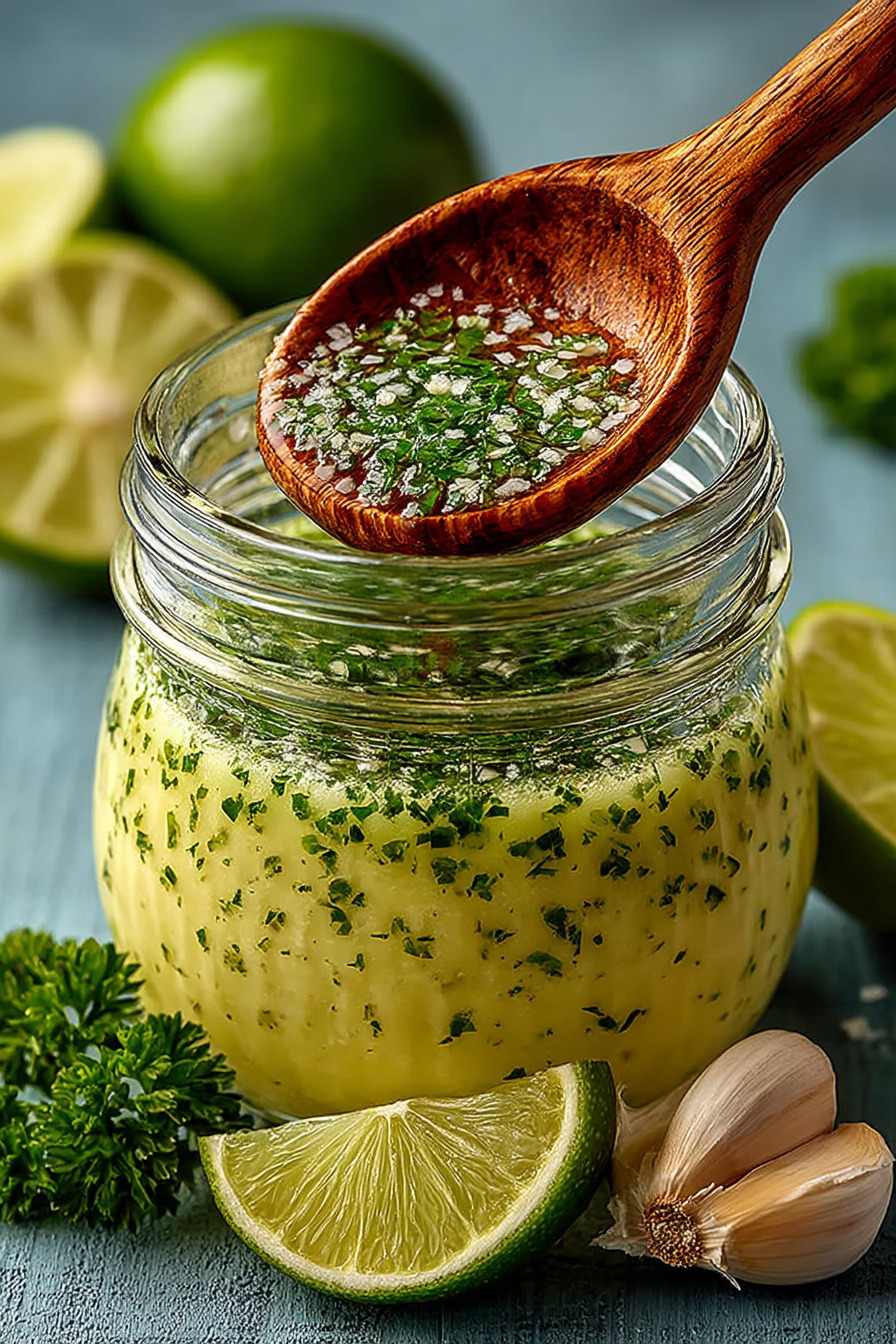
This vibrant Cilantro Lime Dressing is a creamy, tangy, and fresh sauce that instantly lifts salads, tacos, and grilled vegetables. Its smooth texture comes from Greek yogurt and olive oil, balanced perfectly with lime juice and fresh cilantro. Quick to make and endlessly versatile, it adds brightness and a summer punch to any meal. The recipe is simple yet flavorful, perfect for meal prep or a last-minute dressing.
Ingredients
- 1 cup fresh cilantro leaves (loosely packed, stems removed)
- 1/2 cup plain Greek yogurt (whole milk preferred for creaminess)
- 1/4 cup extra-virgin olive oil (light and fruity recommended)
- 3 tablespoons fresh lime juice (from about 2 limes)
- 1 teaspoon lime zest (finely grated)
- 1 small garlic clove (minced)
- 1 tablespoon honey (or maple syrup for a vegan option)
- 1/2 teaspoon ground cumin (adds warmth)
- 1/2 teaspoon kosher salt (adjust to taste)
- 1/4 teaspoon black pepper (freshly ground)
- 2 tablespoons water (to thin, as needed)
Instructions
- Prepare Ingredients: Wash and pat dry cilantro leaves thoroughly, removing any thick stems to prevent bitterness.
- Set Up Blender: Add yogurt, olive oil, lime juice, lime zest, garlic, honey, cumin, salt, and pepper into a high-speed blender or food processor.
- Blend Base: Blend on medium speed for 20–30 seconds until mixture begins to turn smooth and pale green.
- Add Cilantro: Add the cilantro leaves to the blender. Pulse 6–8 short times, about 1 second each, to keep the color bright and texture silky without overheating.
- Adjust Consistency: Add 1–2 tablespoons of water and blend briefly to reach desired thickness. The dressing should be pourable but able to coat a spoon.
- Taste Test: Sample the dressing and adjust seasonings — add extra lime juice for brightness, salt for balance, or honey for sweetness.
- Chill: Transfer to a glass jar, cover tightly, and refrigerate for 30 minutes to let flavors meld.
- Serve: Serve cold drizzled over salads, tacos, grilled fish, or roasted vegetables. Look for a glossy green color and a lightly creamy texture.
- Storage: Keep leftovers in the refrigerator up to 7 days. Shake well before each use to recombine ingredients.
- Optional Step: For a thicker dip-style consistency, blend with an extra 1/4 cup Greek yogurt before serving.
Notes
- Substitutions: Substitute Greek yogurt with sour cream or vegan yogurt for a dairy-free version.
- Make-Ahead: This dressing tastes better after 30 minutes of chilling and stays fresh for up to 7 days refrigerated.
- Storage: Store in a sealed glass jar; avoid freezing as texture may separate.
- Reheating: Dressing does not require heating; if too thick after refrigeration, whisk in 1 teaspoon warm water until smooth.
- Serving Suggestions: Use as salad dressing, taco sauce, or marinade for grilled chicken and shrimp.
- Flavor Adjustment: For extra heat, add 1/4 jalapeño before blending.
- Meal Prep: Double the batch and portion into small jars for weekday lunches.
Nutrition
- Array