
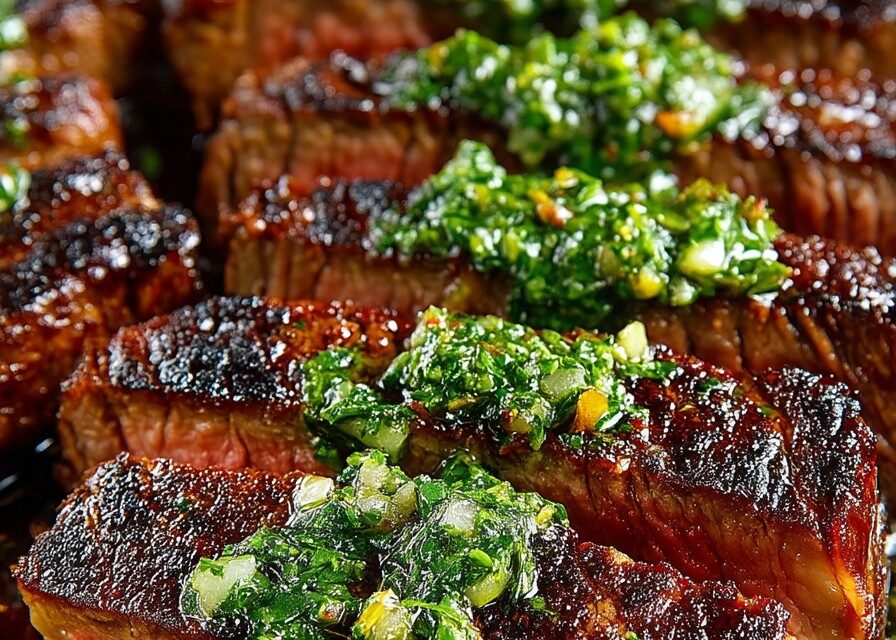
Bold, smoky, and irresistibly juicy, this Carne Asada Recipe is everything I love about a backyard grill session — bright citrus, deep spice, and a satisfying char that seals in flavor. The marinade does the heavy lifting: it tenderizes, infuses, and balances heat with sweet acidity. Once it meets flame, the meat turns crisp at the edges and juicy in the center — the kind of bite that makes you stop and appreciate how something so simple can taste so right.
Whether you’re grilling for a family gathering, prepping an easy weekday dinner, or setting up for a taco night with friends, carne asada feels celebratory but approachable. It’s a dish that rewards a little attention to detail — get the marinade right and the rest almost takes care of itself. Below, we’ll walk through not just the how, but the why behind every step so you can master flavor, texture, and timing every time.
The Secret Behind Ultra-Tender Grilled Steak
A great carne asada starts long before the grill is even hot. Time and balance are what turn good steak into something crave-worthy. The lime juice softens tough fibers just enough, leaving the meat tender but still meaty. Orange juice rounds off the sharp acid with a hint of sweetness. Garlic and cumin dig deep to add warmth, while soy sauce brings a layered umami that pure salt never achieves.
Once the steak hits the heat, all that marinade caramelizes in seconds. The sugars in citrus and soy form the tiny, crunchy blisters we associate with great char. I always let the meat rest after grilling — it gives the juices time to settle back into the fibers, so you slice into tenderness instead of a puddle. That small patience step might be the most overlooked secret of all.
Another overlooked trick: Make sure the steak is patted dry before it goes on the grill. It might seem counterintuitive after you’ve soaked it in such a flavorful marinade, but moisture on the surface prevents browning. Just dab gently with paper towels. The taste won’t wash away—the flavor’s already inside the meat.
Why You’ll Love This Carne Asada Marvel
- The marinade balances citrus brightness with smoky spice for unforgettable depth.
- Edges get lightly crisp while the center stays juicy — the contrast makes each bite addictive.
- You can prep it hours ahead for stress-free grilling later.
- It adapts easily for tacos, bowls, or even salads — leftovers are gold.
- The aroma alone will pull everyone toward the grill before you can call them.
- Works on any kind of grill — gas, charcoal, or even a flat-top griddle — with only small technique adjustments.
- The same marinade doubles beautifully for chicken, portobello mushrooms, or even roasted vegetables if you’re cooking for non-beef eaters.
—

What You’ll Need
Main Protein
Flank or Skirt Steak: These are the traditional choices because they absorb marinade quickly and cook fast. I prefer skirt steak for its more pronounced flavor and visible fat lines that melt beautifully under high heat. If you can, look for outside skirt steak, which tends to be a little thicker and more forgiving on the grill. Trim extra silver skin, but don’t remove all the fat — it contributes to juiciness.
Aromatics
Garlic Cloves: Smash them instead of chopping. Crushing releases essential oils that dissolve more evenly into the mixture. If you love extra garlic intensity, roast a bulb ahead of time and mix in one roasted clove for deeper sweetness.
Cilantro: Adds freshness and a subtle peppery edge that keeps the marinade from leaning too heavy. Stems carry extra flavor, so don’t trim them out completely — just chop finely.
Spices
Cumin & Chili Powder: This duo anchors the flavor. Cumin gives earthy warmth; chili powder adds gentle heat and depth. Toasting them briefly before mixing helps bloom their oils. If you want a touch of smokiness, add ¼ teaspoon smoked paprika or a pinch of chipotle powder.
Black Pepper: Freshly cracked — never pre-ground. It keeps the edges of the flavor clean and sharp.
Liquids / Marinade Base
Lime & Orange Juice: They’re more than acid; together they build flavor that tastes bright and bright without being harsh. You’ll smell the difference when you whisk it. Some cooks use pineapple juice for extra sweetness — a fun twist if you’re pairing with tropical salsas.
Soy Sauce or Maggi Seasoning: My go-to. It balances salt and umami in a way plain salt water can’t. It’s the difference between good and can’t-stop-eating. You can substitute tamari for a gluten-free version or Worcestershire sauce for a more savory edge.
Olive Oil: Carries all those flavors into the meat and protects it during grilling to minimize burning. Neutral oil like canola works too, but olive oil adds faint fruity undertones that pair beautifully with the citrus.
Optional Add-ins
Jalapeño or Serrano Pepper: These give your marinade an extra dimension of heat and grassiness. For a milder kick, remove seeds and ribs; for more intensity, leave them in.
Beer or Cola: Use sparingly — ¼ cup adds sweetness and tenderizing fizz without overpowering the citrus base. Beer gives malty depth; cola adds caramel tones. Both lend subtle complexity when grilled.
Onion: A little grated onion in the marinade adds natural enzymes that help tenderize while building a savory-sweet aroma.
If you enjoy recipes that showcase quick marinades and high-heat grill techniques, you might like exploring garlic butter steak bites for a similar balance of sear and succulence.
How to Make Carne Asada Recipe

Prep and Marinate
- Step 1: Whisk the Marinade. In a medium bowl, combine lime juice (from about 3 limes), orange juice (½ cup), 3 tablespoons soy sauce, 3 minced or mashed garlic cloves, 1 teaspoon cumin, 1 teaspoon chili powder, a handful of chopped cilantro, and 2 tablespoons olive oil. Whisk until the surface glistens evenly — the oil should float in tiny droplets rather than big streaks. Taste a small spoonful — if it feels aggressively acidic, stir in another teaspoon of oil or a pinch of sugar to balance.
- Step 2: Marinate the Steak. Place your steak in a zip bag or shallow dish and pour the marinade over it. Turn once so the surface is coated on all sides. Chill covered for 2 to 8 hours. Go beyond 8 hours and the acids begin to “cook” the meat, giving it a mealy edge, so respect that window. Halfway through marinating, flip the steak for even coverage. This ensures flavor penetrates both sides consistently.
Grill and Sear
- Step 3: Preheat the Grill. Get your grill hot — around 450°F to 500°F. The grates should shimmer with heat when you hover your hand above them. For charcoal, wait until a thin gray ash forms before cooking. Brush the grate lightly with oil using tongs and folded paper towel. This helps build perfect grill marks and prevents sticking.
- Step 4: Grill the Meat. Remove the steak from the marinade, shaking off excess; liquid drips can flare up. Lay it over direct heat, 3–5 minutes per side for skirt, 5–6 for flank. Don’t press on it — you’ll push out precious juices. Watch for char along the ribbed lines of the steak; that’s your cue it’s ready to flip. If using thicker cuts like sirloin flap, sear each side and then move to indirect heat for 1–2 more minutes to finish without burning.
Rest and Slice
- Step 5: Rest Before Slicing. Move steak to a board, cover loosely with foil, and let it rest 10 minutes. The meat will relax and reabsorb moisture. Slice across the grain in thin strips — the texture should look juicy and tender without fibers pulling apart. The thinner your slices, the more melt-in-mouth your tacos will feel.
- Step 6: Taste and Adjust. Drizzle a little fresh lime juice over the top and taste a slice. A pinch of salt or an extra sprinkle of chili powder might be all it needs to bloom fully. For serving family-style, garnish with a scattering of minced cilantro and thin onion slices for visual pop and flavor lift.
Grilling takes instinct. A good sign your carne asada is just right: the surface has a mahogany sheen, the edges crisp, and the inside blushes pink rather than gray. If it looks dull or dry, the heat wasn’t high enough. Don’t be afraid of a few charred spots — they taste like smoke and sunshine.
For those without outdoor space, a cast-iron skillet preheated until smoking hot does wonders. Sear quickly and finish under a broiler for extra color. It’s not cheating; it’s adapting.
Making the Marinade Magic
Start by whisking all the liquids: citrus juices, soy sauce, and oil. Add the seasonings afterward so they suspend evenly instead of clumping. If you prefer a softer spice presence, let the mixture stand 10 minutes before adding the meat — this mellows the raw garlic bite.
The marinade holds safely for up to three days in the fridge. Keep it sealed in a jar and shake it before using since oil tends to separate. You can even freeze batches in small bags for spontaneous grilling nights. Thaw overnight in the fridge and give it a quick whisk to recombine before adding meat.
If you want to experiment with flavor, swap the citrus ratio: two parts lime to one part orange equals zesty and sharp; the reverse gives a sweeter, mellower finish. You can also stir in a teaspoon of brown sugar if your oranges aren’t very sweet — that tiny bit of sugar helps the meat caramelize better under heat.
For extra guidance on balancing sweet and savory blends, the technique used in this honey garlic sauce method is worth studying — it shows how sugar and acid interact to create clingy, flavorful glazes.
How to Serve It
Serve carne asada sliced thin on a warm platter so the juices glisten. It’s at home in tacos with finely diced onion and cilantro, or laid over a bed of rice with roasted peppers. I like to finish mine with a tiny drizzle of olive oil and a pinch of flaky salt right before serving — it highlights the charred crust’s sweetness.
For taco night, keep the tortillas warm in a towel wrap and bring everything to the table. Everyone can build their own. A crisp salad or grilled corn makes a great side. Pair with a cold beer, or if you’re feeling festive, a light margarita laced with extra lime juice hits that same citrus note. And if you prefer poultry-based street foods, you might find inspiration in these BBQ chicken street tacos — they echo the same smoke-meets-sweet balance.
Taco Bar Tip: Offer toppings like roasted corn salsa, guacamole, chopped radishes, and pickled onions. Their bright flavors and textures contrast beautifully with the smoky steak. For variety, serve with small bowls of salsa verde and chipotle crema.
Other Serving Ideas:
- Over a simple salad of charred corn, avocado, and cherry tomatoes for a light summer meal.
- Inside burrito bowls with black beans, rice, and grilled vegetables.
- As a topping for cheese quesadillas or nachos — lay strips on top just before serving so they stay juicy.
- Folded into breakfast burritos with scrambled eggs and roasted potatoes.
Once shredded or sliced, the texture holds beautifully for about 20 minutes at room temperature — long enough to feed a crowd without drying out.
Troubleshooting Common Issues
- Meat too tough? You may have over-marinated or sliced with the grain. Always cut against it — you’ll see fibers shorten immediately.
- No char marks? The grill might have been too cool or crowded. Give space between pieces and resist moving them early.
- Flavor feels flat? Add a last-minute sprinkle of finishing salt or squeeze of lime. Fresh acid wakes up the marinade’s deeper notes.
- Too spicy? Soak the cooked slices briefly in lime juice mixed with orange juice before serving. The acid softens heat intensity without washing away flavor.
- Dry texture? Likely overcooked. Next time, pull the steak off the grill when the internal temperature hits about 130–135°F for medium rare; resting will bring it up slightly more.
Storage and Reheating
- Fridge: Keep leftover meat in an airtight container or wrap tightly in foil. It stays tender up to 3 days. Add a small wedge of orange or lime inside the container to help keep moisture levels stable.
- Freezer: Freeze in single layers with parchment between. It lasts 2 months; expect minor texture change but full flavor remains. Reheat directly from frozen on a hot pan for a sizzling finish.
- Reheating: For best results, reheat in a very hot skillet or grill pan with a squeeze of lime or a splash of broth. It reawakens the surface sugars and keeps the edges from drying. Avoid microwaving — it overcooks the thin slices in seconds.
- If you’ve reserved marinade separately, discard any that touched raw meat. Only unused portions are safe to use again. You can brush that safe marinade over the cooked steak during reheating for an instant flavor refresh.
Pro Storage Tip: Vacuum sealing works wonders if you regularly prep carne asada in batches. The meat marinates more effectively in less liquid, and freezing becomes virtually mess-free.
FAQ
Can I use another cut of beef?
Flap steak or sirloin tip makes fine alternatives. They’re slightly thicker, so add an extra minute per side on the grill for equal tenderness. Just ensure you slice thinly across the grain when serving.
Can I cook it indoors?
Yes. A cast-iron skillet or grill pan over high heat mimics the outdoor char. Vent well and don’t overcrowd to avoid steamed meat. You can also cook under a broiler on a preheated sheet pan placed close to the top element for a quick sear.
How long should I marinate?
At least 2 hours for flavor penetration, up to 8 for maximum tenderness. Longer isn’t better — acid breaks down texture past that point. If short on time, even 45 minutes at room temperature infuses a surprising amount of flavor.
Should I slice before or after resting?
Always after. Cutting early releases juices you can’t get back. Ten minutes under loose foil is ideal. Use a sharp knife held at a slight diagonal for thin, even slices.
Is Carne Asada Recipe gluten-free?
It can be if you swap regular soy sauce for tamari or coconut aminos. Always double-check packaged spice blends for hidden flour or starch additives.
Related Recipes
- 7 Year Perfected Grilled Shrimp Tacos with Pineapple Salsa
- Hawaiian BBQ Pulled Pork
- No Churn Mango Coconut Ice Cream Recipe
- Watermelon Feta Bites with Mint Lime Drizzle
carne asada marinade
- Prep Time: 10
- Cook Time: 30
- Total Time: 40
- Yield: 6 servings 1x
- Category: Main Course
- Method: Grilling, Marinating
- Cuisine: Mexican
- Diet: Halal, Low Salt
Description
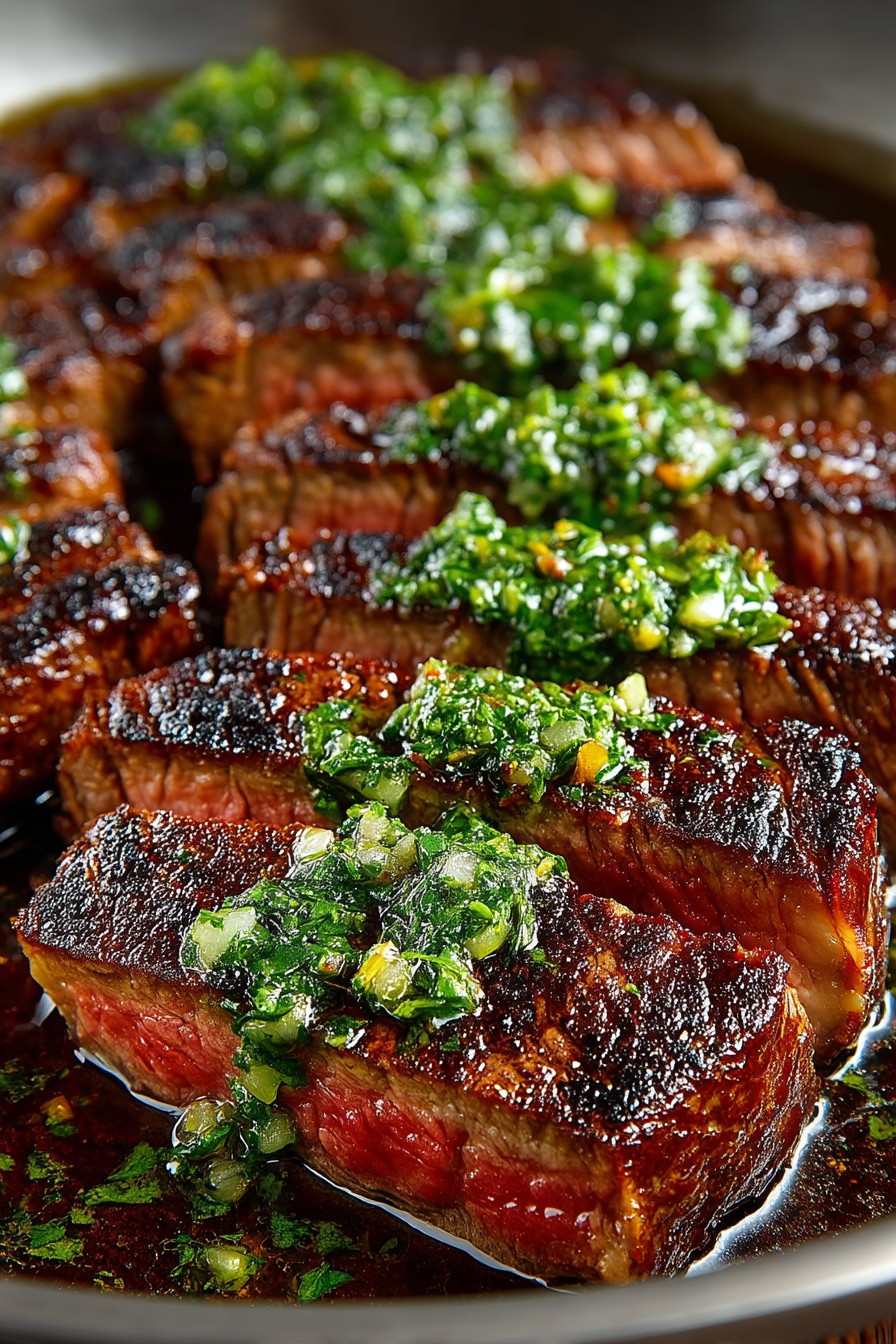
This Carne Asada Recipe delivers perfectly charred, tender steak infused with citrus, garlic, and warm spices. The flavorful marinade works its magic to tenderize the meat and lock in smoky, savory depth. Whether served with warm tortillas, over rice, or in salads, this dish brings true backyard grill energy to any table. For another hearty grill-inspired idea, try this Hawaiian Bbq Pulled Pork.
Ingredients
- 2 pounds flank or skirt steak (trimmed of excess fat)
- 1/3 cup fresh lime juice (about 3 limes)
- 1/4 cup fresh orange juice
- 3 tablespoons olive oil (or avocado oil)
- 3 tablespoons soy sauce (low sodium)
- 2 tablespoons apple cider vinegar
- 4 cloves garlic (minced)
- 2 teaspoons ground cumin
- 1 teaspoon smoked paprika
- 1/2 teaspoon ground black pepper
- 1 teaspoon chili powder
- 1/4 cup chopped fresh cilantro (plus extra for garnish)
- 1 jalapeño (seeded and minced, optional for heat)
- 1 teaspoon salt (to taste)
Instructions
- Prepare the marinade: In a large bowl, whisk together lime juice, orange juice, olive oil, soy sauce, vinegar, garlic, cumin, paprika, black pepper, chili powder, cilantro, jalapeño, and salt until fully blended.
- Marinate the steak: Place the flank steak in a resealable plastic bag or shallow dish and pour the marinade over it. Turn to coat evenly. Refrigerate for at least 2 hours or up to 8 hours for best flavor.
- Preheat the grill: Heat a grill to medium-high (about 450°F). Clean and lightly oil the grates to prevent sticking.
- Dry the steak: Remove the steak from the marinade and gently pat dry with paper towels to promote browning. Discard used marinade.
- Grill the first side: Place the steak on the hot grill and cook for 4–5 minutes until charred edges form and juices start to bead on top.
- Flip and finish: Turn the steak and grill another 3–4 minutes, or until the internal temperature reaches 130°F for medium-rare or 140°F for medium. The surface should have deep grill marks with a slight crust.
- Rest the meat: Transfer the steak to a cutting board, tent loosely with foil, and let rest for 10 minutes to redistribute juices.
- Slice and serve: Slice against the grain into thin strips. Garnish with chopped cilantro and a squeeze of fresh lime juice before serving.
- Optional torch finish: For extra caramelization, briefly sear the sliced edges with a kitchen torch until lightly charred.
- Serve immediately: Enjoy with warm tortillas, rice, or grilled vegetables while hot.
Notes
- Substitutions: Use sirloin or hanger steak if flank or skirt is unavailable; portobello mushrooms work well for a vegetarian twist.
- Make-ahead: The marinade can be prepared 2 days in advance and stored in the refrigerator in a sealed container.
- Storage: Cooked carne asada keeps well in an airtight container in the refrigerator for 3 days or in the freezer for up to 2 months.
- Reheating: Reheat sliced meat in a hot skillet for 1–2 minutes per side or at 350°F in the oven for 8 minutes until warmed through.
- Serving suggestions: Serve over rice bowls, tacos, salads, or alongside roasted corn and guacamole.
- Resting tip: Always rest before slicing; it helps retain juices and prevents dryness.
- Grill alternatives: If grilling indoors, use a cast-iron grill pan preheated to 450°F for similar results.
Nutrition
- Array